
Google AI search systems now reward connected content ecosystems instead of isolated pages.

On April 23rd, 2026, Starweb Designs published a YouTube video discussing Dynamic Product Visualization for ecommerce systems.
By May 14th, Google Gemini AI Overview began displaying the video directly inside AI-powered search results for the phrase “dynamic product visualization.”
This was not achieved through paid advertising or artificial SEO tricks. The result came from combining structured website content, entity-focused insight articles, internal linking, topical authority, and properly optimized media.
Why this matters for modern SEO
Traditional SEO focused heavily on backlinks and exact-match keyword placement. Modern AI-powered search systems now evaluate broader signals including topic relevance, content structure, supporting entities, media integration, internal relationships between pages, and overall authority around a subject.
Instead of ranking one isolated page, Google increasingly attempts to understand whether a company consistently demonstrates expertise around a topic.
Entity consistency
Google connected Starweb Designs, ecommerce systems, automation, configurators, and product visualization into a unified topic cluster.
Structured content
Insight articles, schema markup, metadata, and internal linking helped reinforce topical relevance.
Video integration
The YouTube video aligned directly with existing website content discussing ecommerce automation and visualization systems.
See the video Google AI surfaced.
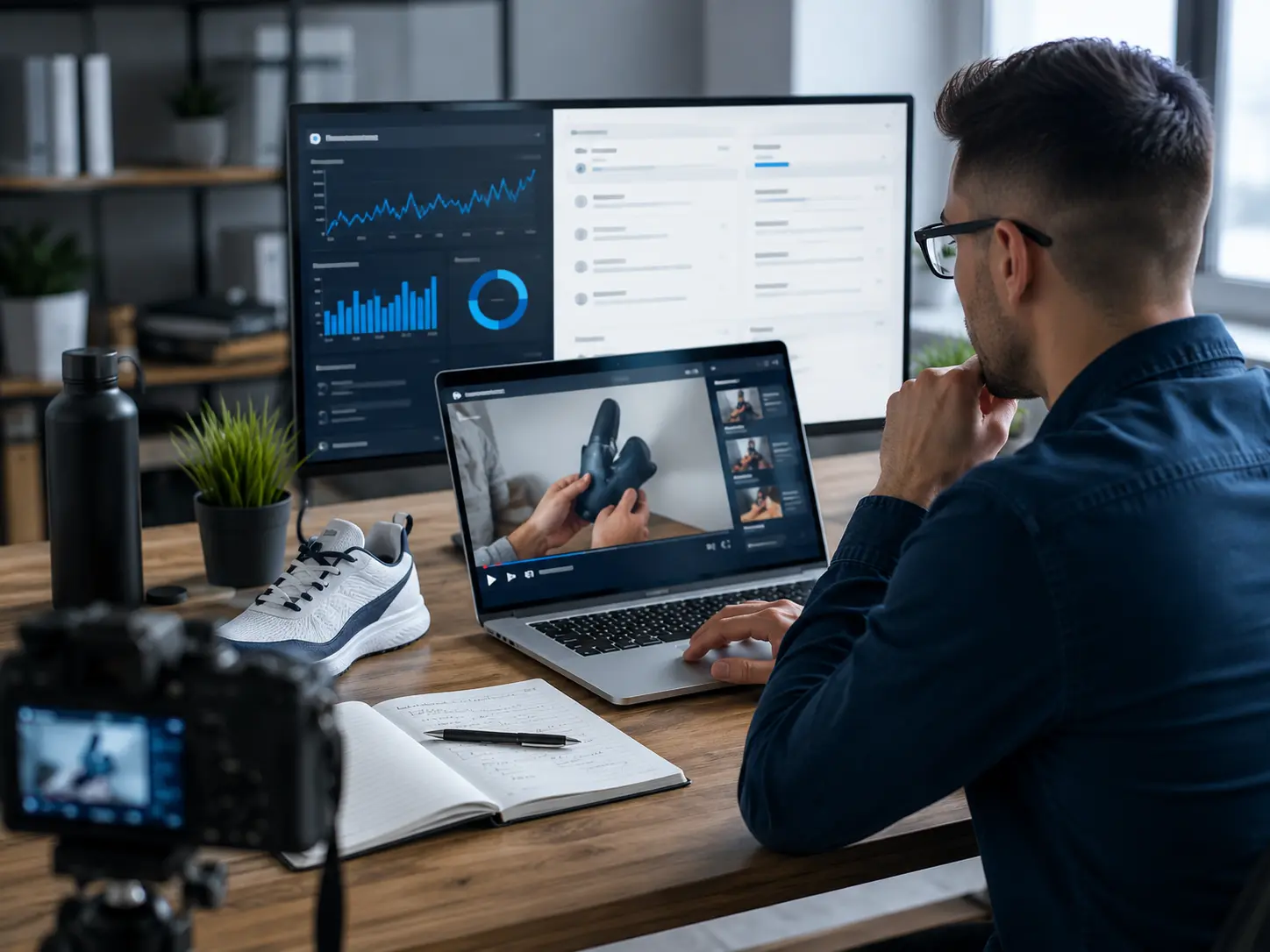
This is the Dynamic Product Visualization video that Google Gemini AI Overview began displaying directly inside AI-powered search results.
The new SEO is topic authority
Modern SEO is moving away from isolated keyword pages and toward complete topic ecosystems.
Instead of creating random articles for traffic, companies now benefit more from building connected content around real expertise.
In this case, Starweb Designs had already published insight articles covering:
- Business process automation
- Product configurators
- Dynamic visualization systems
- Custom ecommerce development
- Why ecommerce websites fail
- ERP-connected systems
The YouTube video became another supporting signal within that ecosystem.
AI search systems are looking for proof
One of the biggest shifts happening in SEO is the movement from theoretical content toward demonstrated expertise.
Many websites publish generic AI-generated articles with little real-world value. Modern search systems increasingly favor content connected to actual systems, examples, workflows, demonstrations, and business experience.
A real product visualization video supported by technical insight pages provides stronger trust signals than generic marketing content alone.
Why video matters more now
Google AI Overview and Gemini frequently integrate YouTube directly into search experiences because videos help validate concepts visually and improve user understanding.
For technical subjects like ecommerce automation, configurators, dashboards, or visualization systems, video content can strengthen both engagement signals and topical authority.
What businesses should learn from this
Build connected content
Videos, insight articles, service pages, FAQs, and internal links should reinforce the same topics.
Focus on expertise
Search engines increasingly reward demonstrated knowledge instead of generic keyword stuffing.
Use structured SEO
Schema, metadata, headings, media, and clean page structures help AI systems understand your content.
Support videos with articles
Videos perform better when embedded into relevant pages with supporting content and internal linking.
Modern SEO is no longer about creating pages for search engines. It is about building connected systems of expertise that AI platforms can understand and trust.
Related insight articles
Want to build SEO systems designed for AI search?
Starweb Designs builds structured websites, ecommerce systems, automation tools, and insight-driven SEO strategies designed for modern search engines and AI discovery platforms.